
The Full Story
The Rise, the Fall, and What I Owe
This is not a story about a bad person doing bad things, and it is not a redemption story with a bow on it. It is the account of how ambition, pressure, and a broken system led a striving person to build something that hurt people — and what it actually takes to own that and try to be useful on the other side.
Rise
After graduating from Detroit public schools and earning his degree from the University of Michigan Business School in 2002, Mashiyat joined one of the world’s largest international consulting firms for ISO certifications and training before opening his own consulting firm, which quickly thrived.
The trajectory was steep and swift — physical therapy clinics and multi-specialty medical centers scaling across Michigan, with pain management eventually becoming a sub-specialty that would later contribute to his downfall.
Fall
As the opioid crisis reshaped federal enforcement, a Medicare fraud indictment tied to high-volume nerve blocks and referral-based growth ended Mashiyat's business life and forced a reckoning. It was not a misunderstanding of a legitimate enterprise. It was fraud, and he pleaded guilty to it. That reckoning would become the foundation of everything Sentinel Media now does.
The Work
Eight and a half years produced the one thing success never had: clarity about the harm — to his children, his family, and the patients his practices were supposed to serve. That clarity is the reason for the book and the education platform: to convert every hard lesson into a warning and a set of tools the next generation can actually use to build lawfully.
"I didn't walk into fraud — I walked into ambition, and didn't see where ambition ended and compromise began until it was far too late."
— Mashiyat Rashid, Medicine Mafia Inc.
Exclusive Interview with 2x Emmy Award winning
Producer Patricia Childress
The Sentinel Way
Stories that turn pressure, failure, and reinvention into honest work — not a highlight reel.
Sentinel Media surfaces the lessons most people never get access to: the frameworks, failures, and second acts behind consequential business stories, told straight.
Featured Story:
Ensnared in One of the Largest Medicare Fraud Cases in U.S. History
Now delivering a warning — and a plan — to the next generation of healthcare business owners. Transparency is the only path forward.

"I had everything, and I risked it all. This is my story, my warning, and my accounting."
Mashiyat Rashid —
Author and Featured Contributor, Sentinel Media
what you'll find here
A Story, a Warning, and a Way Forward
Through Mashiyat Rashid's account, Sentinel Media examines healthcare entrepreneurship, accountability, operational pressure, reform, and the lessons from one of the most consequential fraud cases in modern history.
My Journey
The rise from immigrant roots to healthcare entrepreneurship, the indictment that ended it, and the lessons forged through accountability.
Read the Story →Medicine Mafia Inc.
An insider account of ambition, systemic pressure, and the difficult realities behind Medicare fraud in America — told without excuses.
Explore the Book →Media, Speaking & Conversations
Conversations on ethical entrepreneurship, healthcare reform, personal accountability, and helping others avoid the same mistakes.
Request a Conversation →DOCUMENTED REALITY
The Human Cost Behind the Headlines
Behind every allegation is a lived experience, a timeline, and a community impacted in ways that rarely make it into official statements.
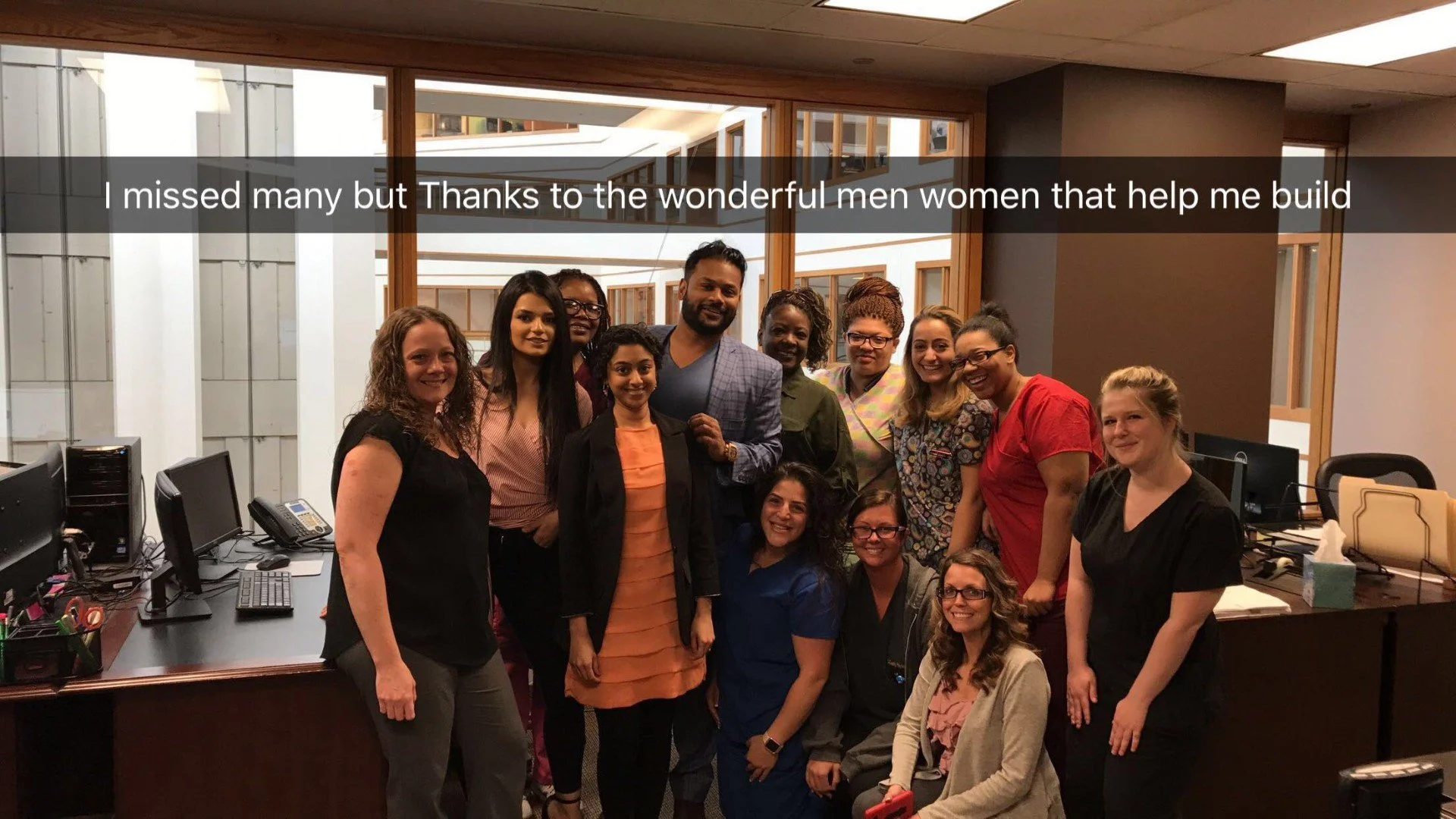
The Billing Department at our New Center Building offices in Detroit. Behind this photo was a company doing nine figures in Medicare billing alone, built on a policy I created that incentivized physicians for more procedures that Medicare reimbursed at higher rates — whether or not patients needed them. When regulators caught on and suspended one clinic's billing, I wasn't alarmed, I was defiant, angered with the belief I hadn't done anything different from the hundred other Goliaths. So, we opened new companies under new names and kept going. That decision is what eventually cost this team their jobs, cost this community its healthcare provider. I'm showing this photo because these were real people who worked honestly inside a rigged system I designed — and I want anyone building something right now to see clearly what happens when the incentive rewards lying and cheating."

"Rewarding excellence at the height of our expansion. As CEO in my 20's and 30's, these courtside seats were a symbol of a winning culture and success. Goal: keeping morale high, keeping people loyal, keeping the machine running smoothly while it did what it was doing. I don't think anyone in this photo knew what that machine was. I did."
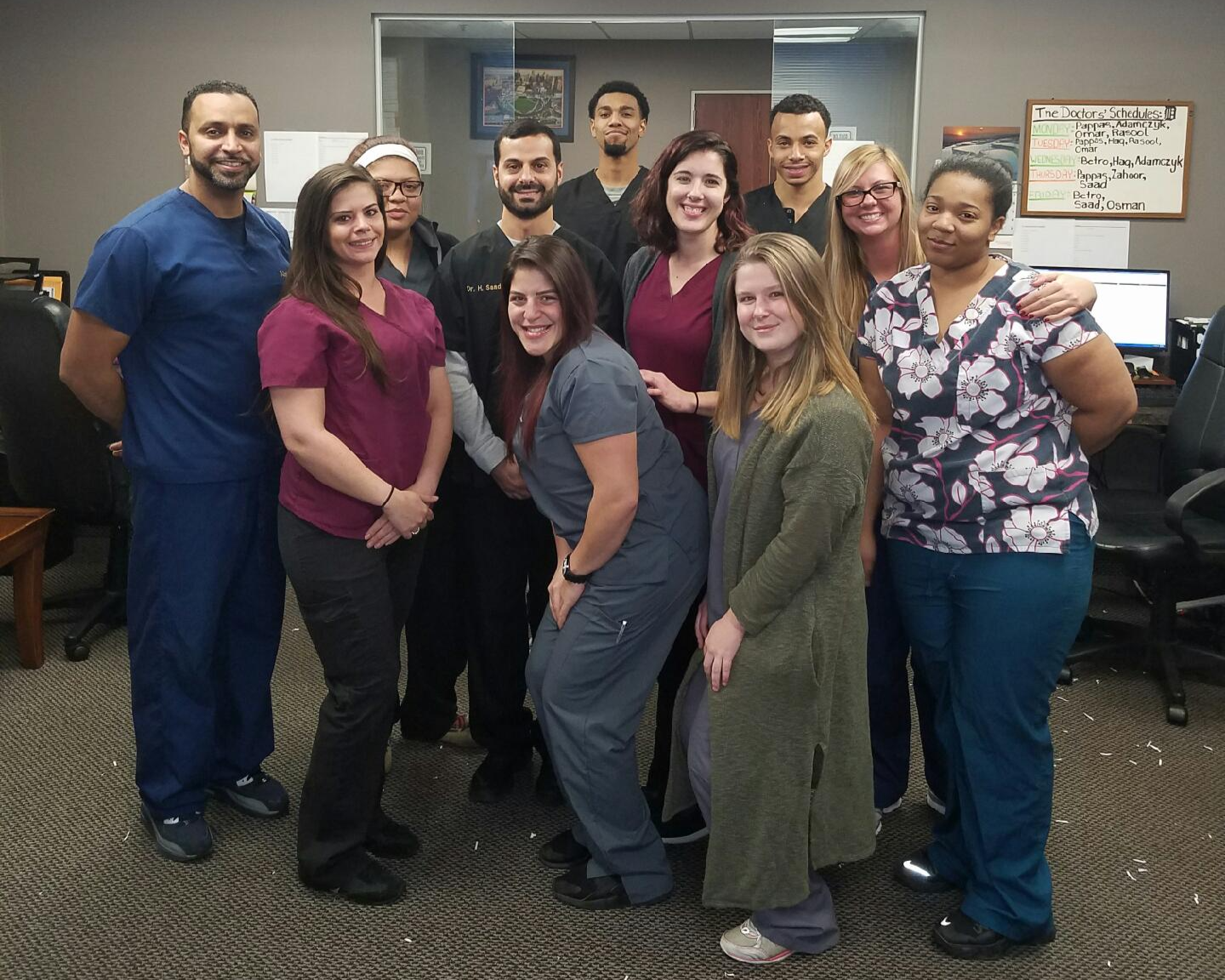
"This was the team at our Fisher Building offices — real people, most of whom had no idea what the underlying billing structure was actually built to do. Behind us is the day's physician schedule. What that whiteboard doesn't show is that the schedule existed to drive volume toward the highest-reimbursing procedures, whether or not patients needed them. I built that incentive. The people in this photo were doing their jobs inside a system I rigged for my personal gain. The more I earned the more colorful charts appeared on dashboards showing revenue by procedure the billing software would provide us, rather than alert us. Cheating was that simple as the American taxpayers and vulnerable citizens are still being cheated this exact way today, according to JAMA."

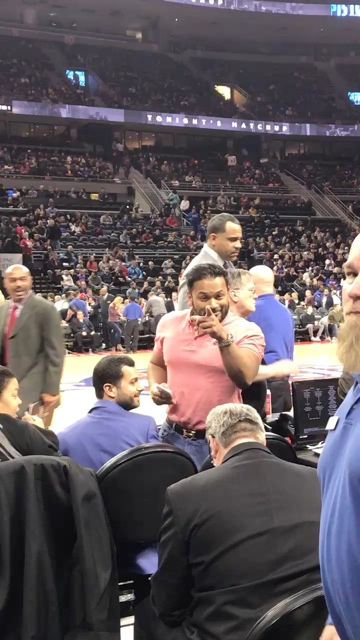
As a season ticket holder, my seats were incorporated into the visitors bench. Here, next to that year's MVP, Russell Westbrook. By then the company was generating nine-figure revenue, and this is what that revenue bought. Taking advantage of Medicare and the patients it was supposed to protect. I'm not showing this photo as a highlight. I'm showing it because it should have been stopped years before— instead, the fraud kept costing the system and the people in it. A common theme in our system today."
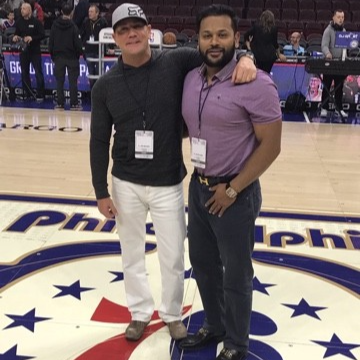
"Courtside in Philadelphia. This lanyard got me into locker rooms, private corridors, rooms most people never see. At the time, I thought it meant I'd made it — that this kind of access was proof I'd built something real. I'm not showing this to teach anyone how to get here. I'm showing it because I want people to understand how easily fraud can bilk our National healthcare system today."

"This was the blueprint for my house on Billionaire's Row. I was so deep into scaling the company that a home like this felt inevitable, not extravagant. It wasn't. It was funded by a scheme that was, at that point, still actively defrauding Medicare and exploiting patients for profit. The house was a gift for my 38th birthday, instead I was detained on that birthday. I never moved in because the fraud caught up with me first. I'm not sharing this as a lesson in scale or defense systems. I'm sharing it because it's a clear picture of exactly how easy billing the healthcare system fraudulently is."
"I thought these seats were proof I'd built something that would last. They were proof I'd stopped listening. Everything here was later forfeited — and none of it was the real cost. The real cost was the people who trusted what I built. I don't show this to display what I had. I show it as the warning I didn't hear."

A hundred-million-dollar momentum, and I was flying without a black box. In healthcare, takeoff is easy; it's the landing that requires the discipline I skipped. I show this not as a highlight, but as the exact moment the speed became the danger."
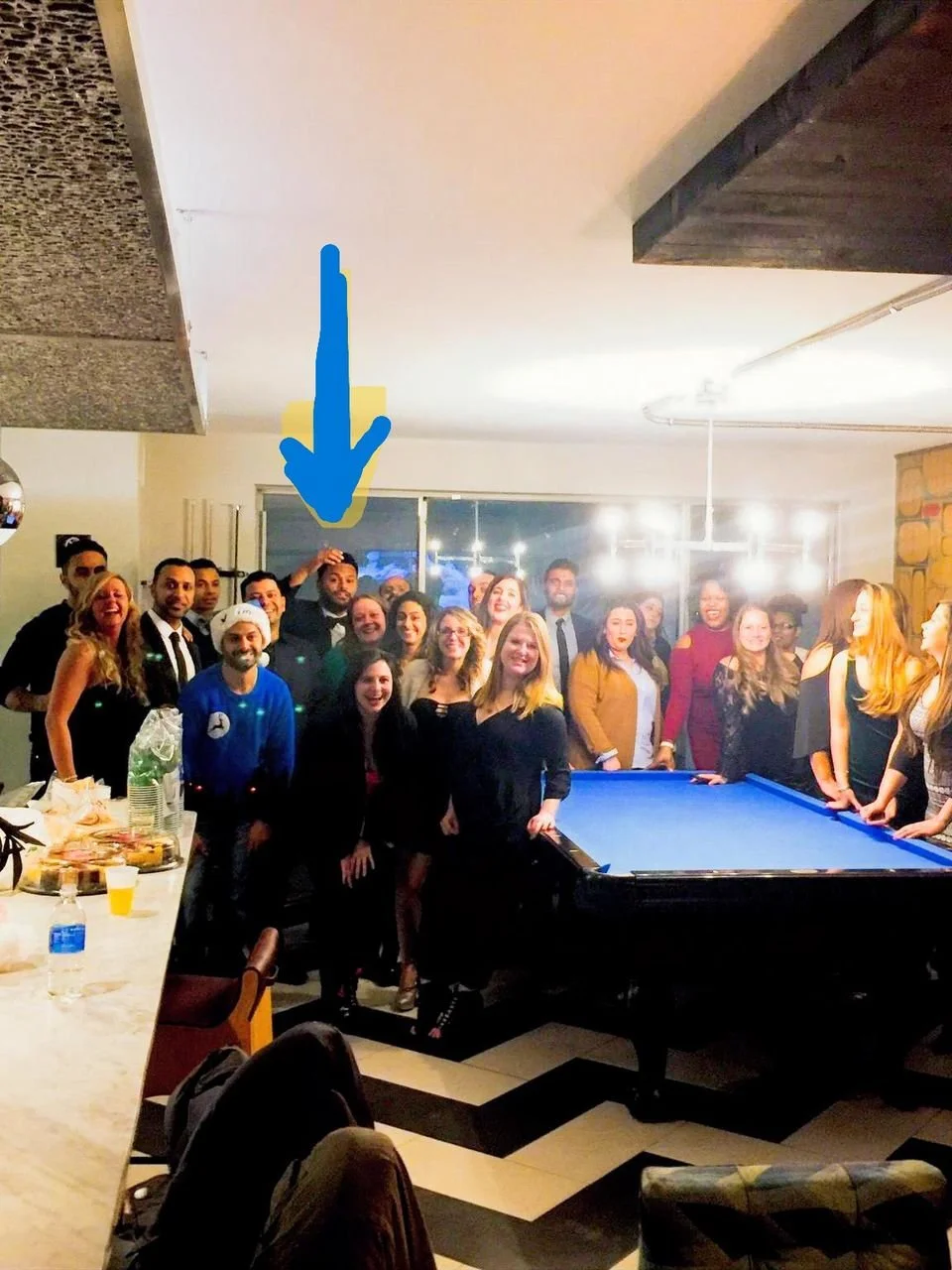
"A holiday celebration at my downtown Detroit apartment with the management team (MSO). Everyone didn't make this picture but looking at this photo now, the laughter is overshadowed by a singular, haunting truth: I disappointed every person in this room. I built the opportunity but took pure advantage of a system. This staff too fell victim. Medicine Mafia Inc. How I Built It, Then Lost It is more than a memoir; it's a generational warning for the American Taxpayers to how the system is being exploited presently to the tune of $935 billion a year according to JAMA and many top non-profit organizations."
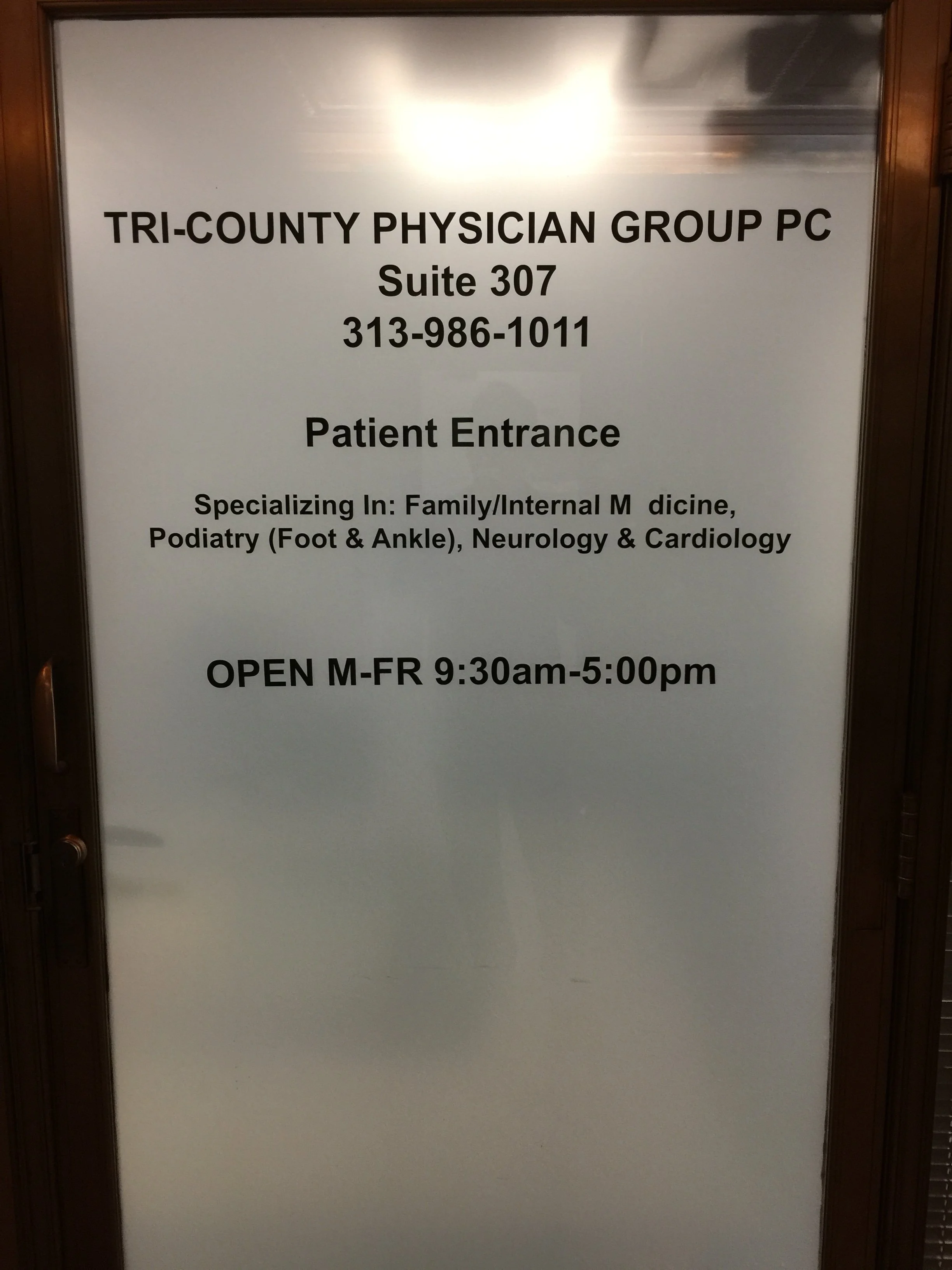
"Tri-County Physician Group — Suite 307. This office operated family medicine, podiatry, neurology, and cardiology alongside the pain management practice at the center of my case. Most of what happened here was ordinary healthcare. The part that wasn't — the injections, the opioid structure, the billing scheme — is the part I pleaded guilty to, and it doesn't get smaller just because it sat next to legitimate care, which is how I justified it then. If anything, that's the harder truth: the fraud operated inside a real medical groups, treating real patients, most of whom had no idea."
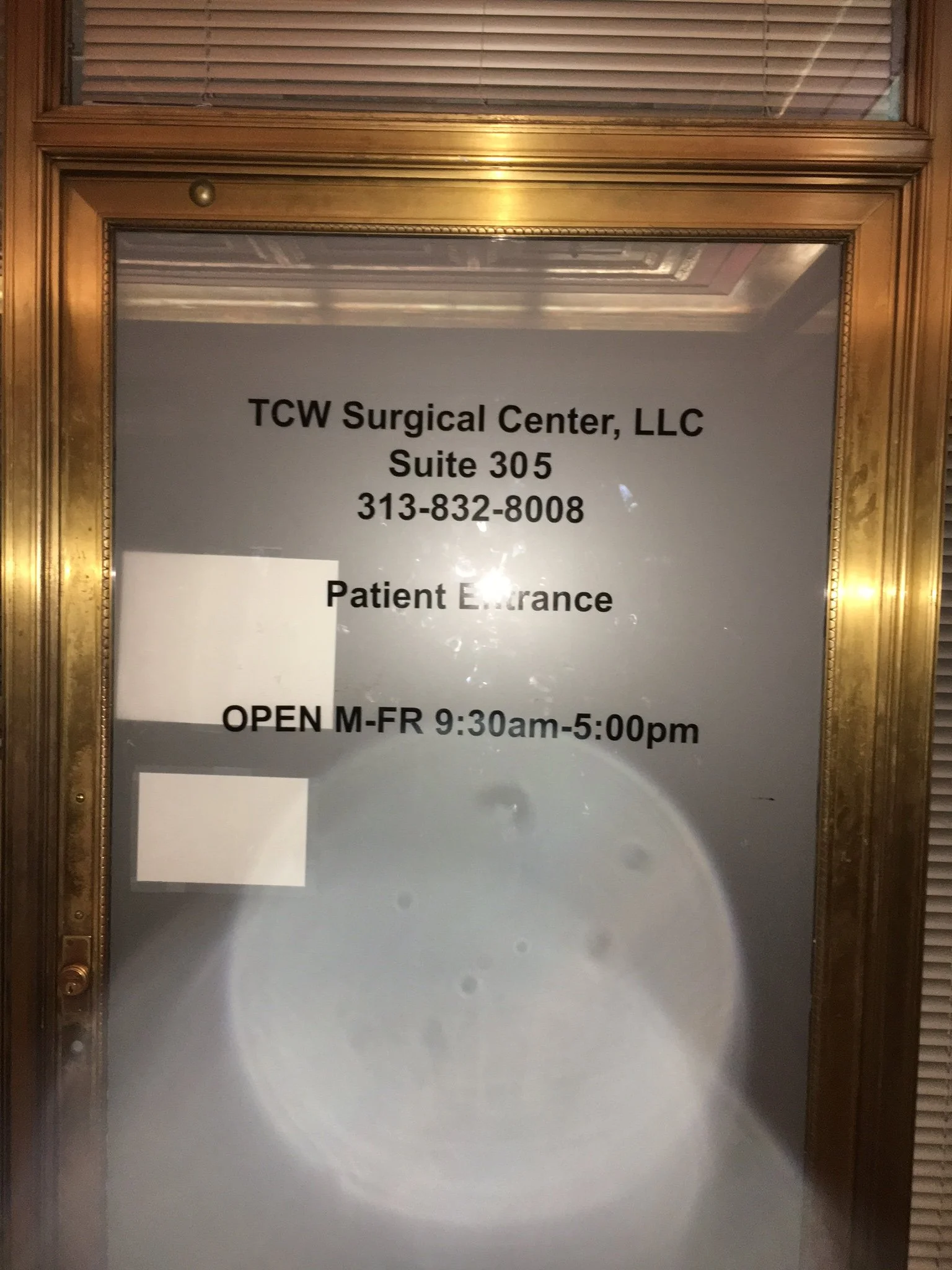
TCW Surgical Center: A Monument to Ego. At the time, this start-up was my pride and joy—the only private group in the City of Detroit holding a Certificate of Need (CON) to operate a surgical center. Driven by the desire to build my own "private goliath" and challenge public industry giants, I created a sprawling facility fed by our Family and Internal Medicine practices. Back then, I believed my authority was unquestionable. Looking back, that absolute arrogance blindfolded me. The ultimate tragedy of my 2018 guilty plea isn't just the collapse of a business or the loss of my freedom, but the human cost: thousands of vulnerable patients were left without proper care, abandoned because my greed chose to exploit the system and fuel the opioid epidemic instead of protecting them. As an inner-city Detroit kid who became a self-made success by 25, I had built-in blind spots by design. By 37, it all caught up to me.
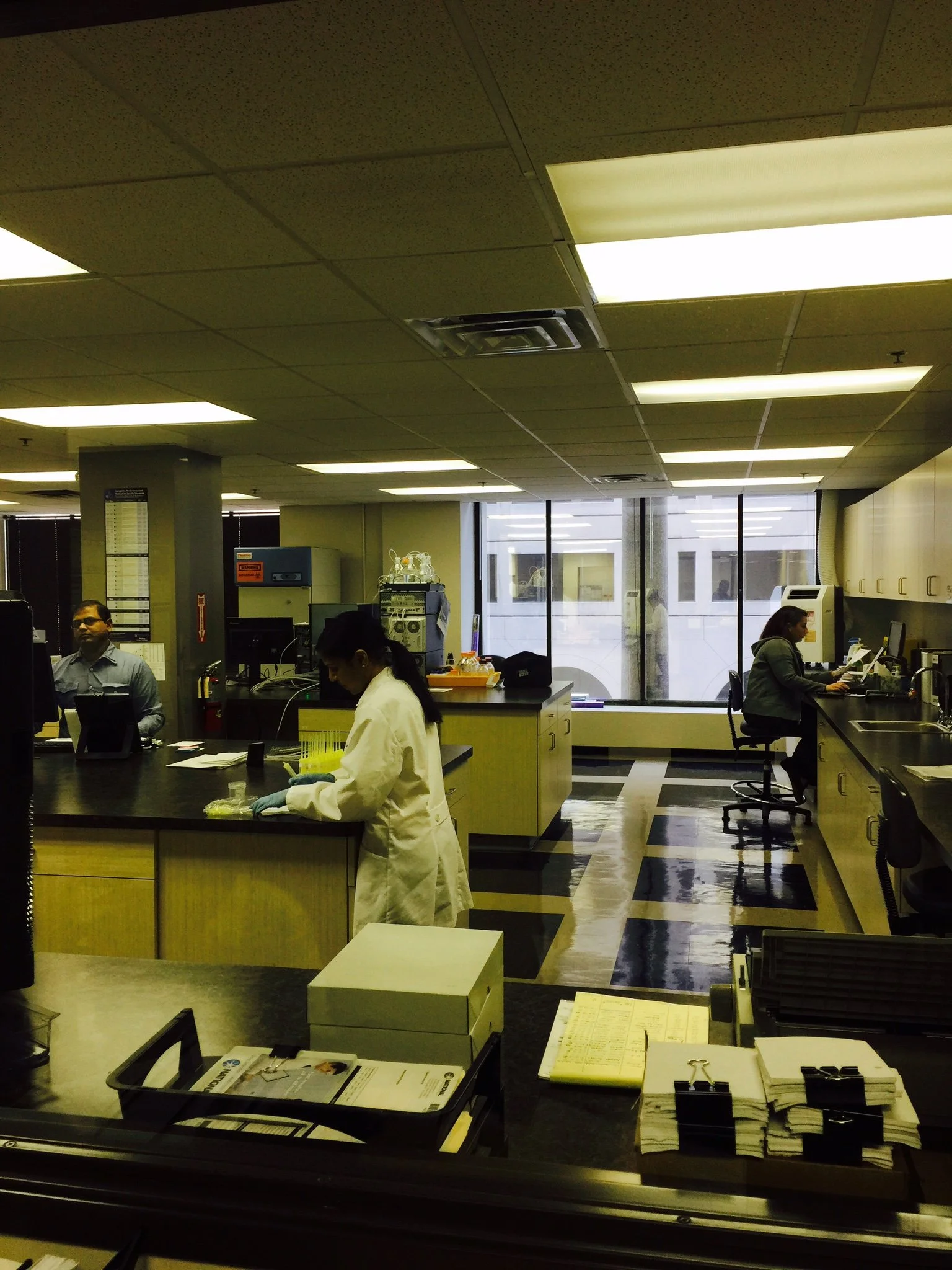
National Laboratories. Located in our Fisher Building hub, it was a high-humming, high-complexity machine—and a stroke of genius I felt on my part. Within a year of opening, it became one of the largest takers of toxicology specimens in Metro Detroit. It was my private hummingbird. By year two, we expanded into Ohio, building another fine-tuned lab that actively stole market share from public healthcare giants. But the momentum blindfolded me. In 2018, the music stopped when I pled guilty to federal kickbacks—everything from giving physicians courtside seats to illicitly incentivizing samples and over utilizing billing. Through it all, the tragedy remains that the laboratory staff and scientists genuinely worked tirelessly, maintaining an elite 48-hour turnaround time for patient specimen results, completely unaware of the behind-the-scenes actions.